
Dealing with green waste on Marylebone terraces
Posted on 17/06/2026
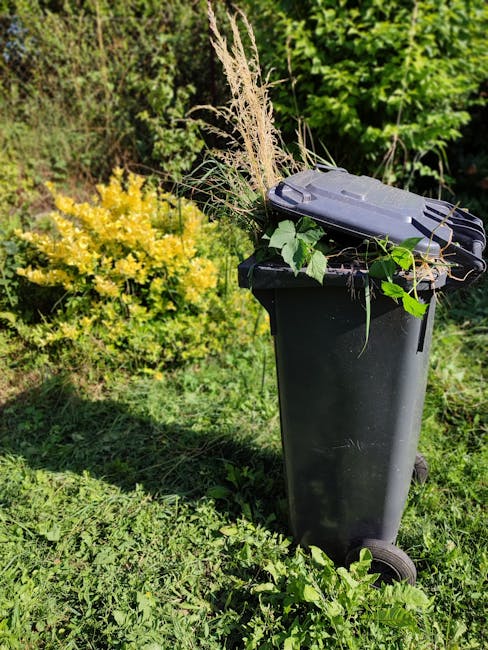
Dealing with green waste on Marylebone terraces: a practical local guide
Terrace living in Marylebone has a charm all its own. The railings, the small front plots, the pots by the steps, the clipped hedges trying their best in a tight London footprint - it all looks lovely until the pruning starts to pile up. Then you're left with bags of stems, soil, cuttings, and the odd stubborn branch, wondering where it should go and how to move it without turning the hallway into a mess. That's where dealing with green waste on Marylebone terraces becomes less of a chore and more of a system.
This guide breaks down what counts as green waste, why terrace homes need a slightly different approach, and how to handle garden cuttings safely, neatly, and with minimal fuss. It also covers local collection choices, common mistakes, and the kind of practical planning that saves time on a busy weekday or, frankly, on a Sunday when you'd rather be anywhere else.
Why Dealing with green waste on Marylebone terraces Matters
Green waste sounds harmless enough. Leaves, hedge trimmings, lawn cuttings, dead plants, twigs, old compost, and the remains of a spring tidy-up don't feel as awkward as broken furniture or builder's rubble. But on a terrace, especially in central London, even "light" garden waste can become a real logistical problem.
Marylebone terraces tend to have limited outdoor storage, shared access routes, narrow steps, and neighbours close enough to hear every bin lid. If green waste is left too long, it can smell damp, shed soil, attract flies, and make the outdoor space look neglected. It also tends to spread - one bag becomes three, then there's a heap by the back gate and a few cuttings in the corner that somehow survive a week untouched.
There's also the practical side. Keeping green waste under control helps you use the space better, whether that space is a compact courtyard, a paved rear yard, or a tiny front garden. For many homes, a neat outdoor area is part of the property's appeal. If you're thinking more broadly about presentation, maintenance, or even resale, that matters. Articles like the Marylebone property buy-sell guide and this real estate buyer's guide show how small details shape first impressions.
And let's be honest: most people don't mind pruning the roses. It's the aftermath that tests patience.
How Dealing with green waste on Marylebone terraces Works
At a practical level, the process is simple: sort, contain, move, and dispose of the waste in a way that suits the property layout. The trick is adapting that process to terrace living, where access is rarely generous and the route from garden to street may involve stairs, side passages, or shared entrances.
Typical green waste handling in a terrace setting follows this pattern:
- Collect and sort the material into manageable piles.
- Separate green waste from soil, pots, stones, wood, or general rubbish.
- Bag or bundle cuttings so they stay contained during lifting and moving.
- Move the waste carefully through the property, protecting floors and walls where needed.
- Arrange disposal through a garden waste collection, mixed waste clearance, or an agreed collection method.
In terrace properties, the movement stage is often the part that matters most. A few muddy bags can quickly leave marks on carpets or polished floors. A small branch can scrape paint. Wet grass clippings can drip, and damp compost has a way of finding its own path. Not ideal, as anyone who has had to mop a hallway twice in one afternoon will tell you.
If your green waste forms part of a bigger clear-out - maybe a loft clear-out, a house refresh, or post-renovation tidy-up - it can make sense to combine it with another service. In some cases, residents look at garden waste removal in Marylebone, general waste clearance, or even rubbish collection in Marylebone when the garden waste is only part of a larger job.
The main goal is not just removal. It's tidy handling. That difference matters more than people expect.
Key Benefits and Practical Advantages
Good green waste management on terraces gives you more than a cleaner garden. It makes the whole property easier to live with.
- Less clutter: Clear pathways, usable steps, and a more peaceful outdoor space.
- Better hygiene: Reduced damp smells, mould risk in stored bags, and fewer pests around decomposing material.
- Safer access: Less tripping risk on narrow terrace paths and shared entrances.
- Faster turnaround: Pruning and tidying can happen without leaving waste waiting for days.
- Improved appearance: A neat terrace feels calmer, which is especially useful in a district where presentation really counts.
- More usable space: Small gardens work harder when waste does not sit around.
There's another advantage that people often miss: planning the waste route forces you to think about the job itself. Are you trimming a few pots, or is this a proper seasonal cut-back? Are the clippings dry and light, or wet and heavy after rain? Is there a mix of green waste and broken planters? Those questions change the best disposal method.
For residents who want a broader look at how local waste services fit into everyday life, the services overview is a useful starting point, and the page on recycling and sustainability helps frame the environmental side too.
Expert summary: On Marylebone terraces, the smartest green waste plan is the one that protects your home, keeps neighbours happy, and avoids a second trip through the house. Simple, clean, and sorted before it becomes a bigger headache.
Who This Is For and When It Makes Sense
Dealing with green waste on Marylebone terraces is relevant to a surprisingly wide range of people. It is not only for keen gardeners with immaculate box hedges. In reality, it suits anyone who has a small outdoor space and a limited tolerance for mess.
You may need this if you are:
- a homeowner keeping a terrace garden under control through the seasons
- a tenant who has taken on a neglected patio or planted yard
- a landlord preparing an outdoor area for new occupants
- a property manager handling small communal garden areas
- a person clearing overgrown planters, shrubs, or seasonal debris after winter
- someone combining garden tidying with a broader domestic clearance
It also makes sense when you've got more waste than your usual bin setup can realistically handle. A few bags of leaves? Fine. A full pruning job after months of growth? That's where many terrace residents reach the point of "right, this needs sorting properly."
For some households, this sits alongside other clearance needs. If your terrace project has triggered a bigger declutter indoors, you might find related guidance such as house clearance in Marylebone, loft clearance, or furniture disposal useful too. Life has a habit of turning one small job into three, doesn't it?
Step-by-Step Guidance
If you want the job to go smoothly, follow a simple order. You do not need fancy tools, just a clear plan and a bit of discipline.
-
Assess the waste before you start moving it.
Walk the garden or terrace and identify what counts as green waste: cuttings, leaves, dead plants, hedge trimmings, and thin branches. Separate out pots, broken fencing, soil-heavy material, and anything that belongs in a different waste stream. -
Choose the collection method.
For a small amount, bagging may be enough. For heavier or bulkier waste, a collection service is usually faster and cleaner. If the job is time-sensitive, a same-day option may suit you better. Readers looking for timing expectations often find this same-day bulky waste guide helpful, even when the waste is mostly garden material. -
Contain the waste properly.
Use strong bags, reusable tubs, or bundles tied securely. Do not overfill. Wet green waste gets heavier than people expect, and a bag that bursts on the stairs is, to put it mildly, annoying. -
Protect indoor routes.
If bags must pass through the property, lay down sheets or protective coverings. Lift rather than drag whenever possible. Damp stems and soil clumps can stain quickly on pale flooring. -
Keep one staging point.
Gather waste in one place near the exit before removal. This reduces the back-and-forth shuffle that tends to make a small job feel twice as long. -
Confirm disposal details early.
Make sure the collection arrangement matches the type and amount of waste. If you're unsure, ask for guidance before the day arrives rather than when you're standing there with five bags and no room in the hall. -
Do a final sweep.
Once the waste has gone, check for loose leaves, soil, broken twigs, and muddy footprints. A quick sweep makes the space feel finished, and honestly, it is the best part.
Where terraces are tight or access is awkward, a planned collection can save a lot of effort. For residents near transport hubs or busier streets, local guidance such as the Marylebone Station bulky waste pickup guide and rubbish removal advice for W1 homes on Marylebone High Street can also help set expectations around access and timing.
Expert Tips for Better Results
A few small adjustments make a big difference. In our experience, the jobs that go best are the ones where the waste is handled once, not three times.
- Dry it out if you can. Wet green waste is heavier and messier. If the weather allows, let cuttings sit briefly before bagging.
- Cut long stems down. Shorter lengths are easier to bag and safer to carry through narrow interiors.
- Keep soil separate. Soil is dense and can turn a "garden waste" job into a much heavier mixed waste load.
- Use the right bag size. Overlarge bags look efficient but are often harder to carry down stairs. The shoulder says thank you later.
- Think about neighbours. Try to avoid dragging bags across shared landings, and keep the route quiet and tidy.
- Plan around weather. A damp Monday afternoon can make garden waste awkward. If you've got choice, pick a dry window.
One practical observation: terrace gardens often reveal hidden waste. Once the pots are shifted, you find old compost trays, buried ties, cracked containers, or a forgotten sack of hedge clippings from the previous season. It happens. Don't be surprised if the job looks larger once you begin.
If your green waste comes from a larger project - say, builders have just finished a garden wall or a tidy-up after landscaping - the dedicated builders' waste disposal page may be more relevant than a standard garden collection. Mixed material needs mixed thinking.

Common Mistakes to Avoid
Most problems with terrace green waste are not dramatic. They are small avoidable errors that snowball into inconvenience. The good news? They are easy to sidestep once you know what to watch for.
- Mixing garden waste with everything else. Once soil, plastic, or old pots get thrown in together, sorting becomes slower and sometimes more expensive.
- Overfilling bags. Heavy bags split, especially on stairs or when squeezed through narrow doorways.
- Leaving waste outside too long. In a terrace setting, this is a neighbour issue as much as a cleanliness issue.
- Ignoring access challenges. Tight gates, basement steps, shared hallways, and parked cars can all change the removal plan.
- Forgetting about floors. A little soil on a stone path is one thing; the same soil on a carpeted landing is another.
- Waiting until the pile becomes a problem. Once it has spread, the job is less tidy and more time-consuming.
There's also a mental mistake people make: assuming all garden waste can just be "sorted out later". Later often means never. Then the pile becomes part of the scenery. Not lovely.
For families or landlords dealing with more than just outdoor clutter, broader local pages such as rapid clearance for overcrowded flats in Marylebone and estate clearances in Bryanston and Dorset Square can be useful context when the scale of the job changes.
Tools, Resources and Recommendations
You do not need a shed full of gear, but the right basic tools make a terrace garden tidy-up much easier.
| Option | Best for | Pros | Limitations |
|---|---|---|---|
| Heavy-duty bags | Small to medium cuttings | Simple, cheap, easy to store | Can split if overfilled or wet |
| Reusable tubs or trugs | Repeated pruning jobs | Stable, tidy, good for moving waste short distances | Need emptying and cleaning |
| Garden shears and loppers | Reducing branch length | Makes waste easier to carry and bag | Not suitable for every plant or thickness |
| Tarpaulin or dust sheet | Protecting routes and gathering waste | Reduces mess on internal floors | Needs careful handling on stairs |
| Professional removal service | Bulky, mixed, or time-sensitive jobs | Fast, convenient, less physical effort | Costs more than DIY disposal |
If you prefer a hands-off route, a local clearance service can combine collection, lifting, and disposal into one visit. That is often the best choice where access is tight or when the waste includes more than green material. The page on pricing and quotes is worth checking if you want a clearer sense of how an enquiry normally starts.
There's also value in understanding the service provider itself. A little due diligence goes a long way, especially for work that requires entry through a property. See about the team, plus the pages covering insurance and safety, payment and security, and terms and conditions if you want the administrative side to feel less hand-wavy.
Law, Compliance, Standards, or Best Practice
Green waste disposal in London is usually straightforward, but it still needs sensible handling. The main principle is simple: waste should go to a suitable, lawful route and should not create nuisance, hazard, or avoidable mess. That sounds obvious, yet terrace properties are exactly where shortcuts tend to happen.
Best practice includes:
- keeping garden waste separate from general household rubbish where possible
- avoiding fly-tipping or leaving bags in unsuitable communal areas
- making sure collections are carried out by a provider that handles waste responsibly
- protecting shared hallways, stairwells, and frontage areas during movement
- using safe lifting and carrying methods for bulky or wet material
If you are unsure how a particular item should be treated - for example, a heavy root ball, large quantities of compost, or mixed garden debris with broken fixtures - it is wise to ask for clarification rather than guess. That way, the waste goes into the right route the first time, and everyone avoids a second sort.
For readers who are comparing services with an eye on sustainability, the recycling and sustainability page is relevant because responsible disposal is not just about getting rid of the waste. It's about sending it somewhere suitable, whenever that is possible.
And just to keep expectations sensible: while this article gives practical guidance, specific council arrangements, site access rules, or collection eligibility can vary. If your terrace sits within a managed block or conservation-style property, check the building rules before placing anything outside. Saves a lot of awkwardness.
Options, Methods, or Comparison Table
There is no single "best" method for every terrace. The right choice depends on volume, weight, access, and how much time you want to spend doing the lifting yourself.
| Method | Best for | Works well when | Watch out for |
|---|---|---|---|
| DIY bagging and bin use | Very small amounts | You have easy access and the waste is dry, light, and limited | Weight limits, multiple trips, spill risk |
| Book a garden waste collection | Routine pruning jobs | You want convenience without a major clear-out | Making sure the waste type fits the service |
| Mixed rubbish collection | Green waste plus pots, packaging, or odd items | The garden tidy-up produced a bit of everything | Separate items may still need separate handling |
| Full waste clearance | Larger or more awkward jobs | You want one team to remove everything in a single visit | Being clear about what is and isn't included |
For terrace homes, a full-service approach is often the easiest because access is the real challenge, not the waste itself. If that sounds familiar, a broader rubbish service such as waste clearance in Marylebone or rubbish collection may fit better than trying to force the job into one narrow category.
A quick real-world note: if your terrace borders a busy street or you are working around visitors, deliveries, or event prep, it can be smarter to clear the waste before the day gets hectic. A calm hour in the morning beats a rush job at 6 pm with the light fading and nowhere to put the bags.
Case Study or Real-World Example
Here's a typical terrace scenario, without pretending it's some dramatic transformation story.
A Marylebone homeowner spends a Saturday cutting back a small rear garden after winter. Nothing huge: a few shrubs, some dead climbing growth, a handful of pots to empty, and a decent pile of stems. At first, it looks manageable. Then the cuttings start spreading across the patio, the bag fills quicker than expected, and the route from the back garden to the front entrance turns into a series of careful, slightly awkward trips.
The first challenge is volume. The second is mess. Wet stems trail across the floor, and loose soil clings to the base of the bags. Rather than keep improvising, the homeowner pauses, separates the soil-heavy material from the leafy cuttings, uses stronger bags, and creates one staging point near the exit. That change alone cuts the time spent moving waste by a surprising amount.
They then arrange collection through a service that handles garden waste and mixed rubbish, because there are also a few cracked planters and an old trellis to remove. The result is not dramatic. It's better than dramatic. The terrace is cleared, the path is clean, and the job is done without dragging half the garden through the house twice.
That is usually the real win: less faff, less mess, less irritation.
Practical Checklist
Use this quick checklist before you start moving anything:
- Have I separated green waste from general rubbish?
- Are the bags or containers strong enough for wet material?
- Do I know the route from the garden to the collection point?
- Have I protected floors, steps, or shared hallways?
- Have I removed anything sharp, heavy, or awkwardly shaped?
- Is soil being kept apart from lighter cuttings?
- Do I need a larger waste removal service rather than simple bagging?
- Have I checked access, parking, and timing if a collection team is coming?
- Do I need to combine this with other clearance work?
- Have I set aside a quick final sweep after removal?
Practical takeaway: If the waste has to travel through your home, plan the route before you touch the first bag. That one decision can save you a lot of cleaning later.
Get a free quote today and see how much you can save.
Conclusion
Dealing with green waste on Marylebone terraces is really about balance: keeping the property tidy, protecting the interior from mess, and choosing a disposal method that fits compact London living. With the right approach, even a small terrace can stay neat, welcoming, and easy to enjoy through every season.
The key is not to overcomplicate it. Sort the waste properly, plan the movement carefully, and pick a collection method that suits the amount and type of material you have. If the job is bigger than expected, that is normal. It happens all the time. The trick is spotting that early and handling it before it becomes one of those jobs you keep stepping around for three days.
And when it is done, you feel it straight away - the space opens up, the air feels a bit lighter, and the terrace looks like itself again. That's worth the effort.

 Tipper Van - Waste Clearance and Rubbish Disposal Prices in Marylebone, W1
 Luton Van - Waste Clearance and Rubbish Disposal Prices in Marylebone, W1

