
Marylebone Station bulky waste pickup -- local guide
Posted on 27/04/2026
Marylebone Station bulky waste pickup: a local guide for residents, landlords, and businesses
If you are trying to deal with a sofa, mattress, wardrobe, or a pile of old office chairs near Marylebone Station, you already know the awkward part is not the lifting. It is the logistics. Narrow streets, busy footfall, tight access, parking pressure, and the simple fact that bulky waste never seems to shrink on its own. This guide to Marylebone Station bulky waste pickup explains how local collection usually works, what to prepare, what to avoid, and when a professional service is the most sensible option.
Whether you are clearing a flat, updating a rental property, or emptying a workspace, the goal is the same: remove large items quickly, safely, and with as little disruption as possible. The good news is that with a bit of planning, bulky waste collection in this part of Marylebone can be straightforward.
Why Marylebone Station bulky waste pickup Matters
Bulky waste is any item that is too large, too heavy, or too awkward to fit into standard household bins. Near Marylebone Station, that usually means access matters just as much as disposal. A collection that would be simple on a suburban driveway can become tricky beside a mews, mansion block, managed building, or office entrance with limited waiting space.
This matters because bulky waste left too long can create clutter, block access routes, and frustrate neighbours, building managers, or staff. It can also become a safety issue if items are stacked near entrances, fire exits, or common areas. In a neighbourhood where people value tidy streets and smooth movement, even one abandoned sofa can stand out.
There is also a practical and financial angle. Delays can mean extra storage costs, missed handover deadlines, or a rushed clearance before a move. If you are preparing a property for sale or rent, a well-timed collection can make the space feel calmer and more presentable. For anyone navigating local property turnover, resources like Marylebone property market insights and this Marylebone real estate buying guide help show why timing and presentation matter so much in this area.
In short: bulky waste pickup is not just about getting rid of old items. In Marylebone, it is about doing it efficiently, discreetly, and with as little disruption as possible.
How Marylebone Station bulky waste pickup Works
The exact process depends on who you book, what you are disposing of, and how much access the property has. But the overall flow is usually familiar.
1. Identify what needs removing
Start by separating bulky items from general rubbish. Common examples include beds, mattresses, wardrobes, bookcases, sofas, office desks, filing cabinets, shelving, exercise equipment, and some broken appliances. If you are unsure whether an item counts as bulky waste or something more specialised, it is worth checking before collection day.
2. Check access and timing
Marylebone Station is a busy transport hub, so access and timing matter. Ask yourself: where can a vehicle stop, how far is the carry distance, are there stairs, and is the item in a top-floor flat or basement? These details can affect the collection plan more than the item itself.
3. Get a quote based on volume and complexity
Most professional services quote according to load size, item type, labour required, and access difficulty. A single armchair is different from a full house clearance, and a simple ground-floor pickup is not the same as carrying wardrobes down a narrow staircase. If you want a clearer view of service options, the services overview and pricing and quotes pages are useful starting points.
4. Confirm what happens on the day
On collection day, items are usually removed from the agreed location, loaded safely, and then sorted for reuse, recycling, or disposal. If a company offers a responsible approach, it should be able to explain how different materials are handled. For readers who want a broader overview of disposal options, rubbish clearance in Marylebone and local waste removal services are relevant next steps.
5. Make sure the area is left tidy
Good bulky waste removal is not just about lifting. It should finish with a tidy site, a clear route, and no surprise mess left behind. That is especially important in shared buildings or on streets where neighbours immediately notice any delay. Truth be told, no one enjoys seeing a broken wardrobe camped outside the front door any longer than necessary.
Key Benefits and Practical Advantages
There are several reasons people choose a professional bulky waste pickup rather than tackling the job alone.
- Speed: A team can remove heavy items in one visit instead of spreading the work across multiple trips.
- Less strain: You avoid the risk of injuring yourself while lifting awkward or heavy furniture.
- Cleaner handover: This is useful when moving out, changing tenants, or preparing a property for sale.
- Better access management: Experienced crews are used to busy streets, tight entrances, and awkward stairwells.
- More responsible disposal: Reuse and recycling are easier to arrange through a proper service than through ad hoc dumping.
- Reduced stress: You get the job done without making repeated trips, hiring a van, or worrying about where to take items.
For many local jobs, convenience is the main benefit. For landlords and business owners, consistency and timing are equally important. A well-run clearance often pays for itself by saving staff time and avoiding last-minute chaos.
If your waste is part of a larger project, such as a refit or refurbishment, it can also be worth reading about builders waste disposal in Marylebone or office clearance support depending on the setting.
Who This Is For and When It Makes Sense
Bulky waste pickup near Marylebone Station is useful for a surprisingly wide range of people. The obvious cases are household moves and furniture replacements, but the need often appears in quieter, more ordinary moments.
Homeowners and tenants
If you are replacing a mattress, moving out of a flat, or clearing a spare room, bulky waste pickup is often the fastest route. It is especially helpful if you live in a building with limited storage or no lift.
Landlords and letting agents
After a tenancy ends, bulky items often need to be removed quickly so cleaning, decorating, or repairs can begin. A local service can help keep the turnover on track.
Estate agents and property managers
Presentation matters. Empty rooms feel larger and brighter, and that can support viewings and handovers. If you work in property, the article on whether Marylebone is a good home gives useful local context about why condition and convenience are such recurring themes here.
Offices and small businesses
Office clear-outs often involve desks, chairs, storage units, and miscellaneous fixtures that are too bulky for normal waste routes. A service like office clearance Marylebone can help reduce disruption during a fit-out or move.
Builders and contractors
During refurbishment, bulky waste is not always limited to rubble. Old cupboards, bathroom units, broken shelving, and redundant fixtures can pile up fast. In that case, a specialist route such as builders waste disposal Marylebone may be more appropriate.
When it makes sense to book now
- You have a move-out deadline.
- A room cannot be used until large items are gone.
- The staircase or hallway is blocked.
- You need items removed before cleaners, decorators, or photographers arrive.
- You simply do not have the time, transport, or lifting help to do it safely.
Step-by-Step Guidance
Here is a practical way to handle bulky waste pickup without turning it into a bigger project than it needs to be.
- Walk through the property. List every bulky item and decide what stays, what goes, and what might be donated, sold, or reused.
- Measure the access points. Check door widths, stair turns, lift size, and any restrictions at the entrance.
- Take a few photos. Photos help confirm item size, condition, and the amount of labour involved.
- Ask for a clear quote. Be honest about quantity, floor level, and whether the items are heavy or dismantled.
- Prepare the items. Remove loose contents, unplug appliances, and separate anything you want to keep.
- Protect shared areas. If the route passes through hallways or communal parts of the building, clear it as much as possible first.
- Confirm arrival details. Make sure access instructions, contact numbers, and any time restrictions are agreed in advance.
- Check the final sweep. Once the items are gone, inspect the space and confirm nothing was missed.
A small detail can save a lot of time. For instance, a wardrobe that has been emptied and partially dismantled is usually easier to remove than one still packed with clothes and side panels attached. That may sound obvious, but it gets overlooked more often than you would think.
Expert Tips for Better Results
Some of the most useful tips are not glamorous, but they make a real difference.
- Book earlier than you think you need to. Popular removal slots can fill up, especially around moving periods or before weekends.
- Group items logically. Keep furniture together and smaller loose waste separate so the team can work efficiently.
- Choose the right service for the job. A single-item furniture collection is different from a whole flat clearance.
- Be realistic about access. If the item has to be carried a long way, say so upfront. Surprises slow everyone down.
- Ask how reusable items are handled. Many people prefer knowing that usable furniture may be directed toward recycling or reuse where possible.
- Coordinate with building staff if needed. Concierge teams and managing agents can help avoid congestion in shared entrances.
If you are clearing a home rather than just one item, a related service such as house clearance Marylebone or loft clearance support may be worth considering depending on the amount of waste involved.
Expert summary: The best bulky waste pickup is the one planned around access, timing, and item type. The more accurate your brief, the smoother the collection will feel.
Common Mistakes to Avoid
Most collection problems are avoidable. The usual issues come from rushing the booking or underestimating the practical side of the job.
- Leaving everything until the last minute. This is the classic one. It creates pressure and limits your options.
- Under-describing the items. A "few chairs" can turn into a van-full if the details are vague.
- Forgetting access restrictions. Limited parking, narrow streets, or controlled entries can affect arrival and loading.
- Mixing bulky waste with hazardous items. Paints, solvents, batteries, and other specialist materials may need separate handling.
- Assuming one service fits every job. Furniture disposal, waste clearance, house clearance, and office clearance are related, but not identical.
- Not checking what is included in the price. Clarify lifting, carrying, and disposal before you commit.
A useful rule of thumb: if you think a collection might be "simple", describe it as if it were slightly more complicated than that. You will usually get a more accurate response, and that saves time on the day.
Tools, Resources and Recommendations
You do not need special equipment for every pickup, but a few simple tools can make the process easier and safer.
Helpful tools at home or in the office
- Strong tape for securing drawers or loose doors.
- A basic screwdriver or Allen key for simple dismantling.
- Marker labels for items being kept, donated, or removed.
- Work gloves if you are sorting sharp or dusty items.
- Measuring tape for doorways, lifts, and stair gaps.
Useful pages and planning resources
If you want to explore services in more depth, the most relevant starting points are the your rubbish removal needs page, the company about us section, and the insurance and safety information. For sustainability-minded disposal decisions, the recycling and sustainability page is also worth a look.
If your job is linked to a broader clean-up of an older home or a long-neglected storage area, you may also find furniture disposal in Marylebone and waste clearance Marylebone useful for planning the next step.
Law, Compliance, Standards, or Best Practice
Bulky waste pickup sounds straightforward, but there are a few compliance and best-practice points worth keeping in mind.
First, waste should be handled by a legitimate operator. In the UK, waste carriers are expected to manage waste properly and transfer it to appropriate facilities. As a customer, you do not need to be an expert in waste law, but you should take reasonable care about who is collecting your items and where they are going.
Second, duty of care matters. In plain English, that means you should not hand waste to anyone who seems unclear about handling, transport, or disposal. Ask practical questions. Who is collecting it? What happens to reusable items? How are mixed materials separated? Clear answers build confidence.
Third, some items may require special handling. Anything electrical, sharp, heavy, contaminated, or potentially hazardous should be discussed in advance. That is not being difficult; it is being sensible.
Finally, in shared buildings and commercial settings, best practice also includes access management, noise awareness, and keeping communal areas free from obstruction. That is especially important around Marylebone Station, where a small delay or blocked entrance can affect more people than you might expect.
For readers who value responsible disposal, the local emphasis on reuse and recovery is one reason services like recycling-focused waste handling are worth considering.
Options, Methods, or Comparison Table
There is more than one way to clear bulky waste. The right choice depends on volume, urgency, and how much effort you want to put in yourself.
| Option | Best for | Pros | Limitations |
|---|---|---|---|
| DIY removal | Very small loads and flexible schedules | Potentially cheaper if you already have transport | Time-consuming, heavy lifting, parking and disposal logistics |
| Council collection | Simple, non-urgent household items | Familiar local route, suitable for some residents | May involve waiting times, item limits, or booking constraints |
| Private bulky waste pickup | Fast clearances, awkward access, mixed item loads | Flexible, efficient, labour included, less hassle | Cost depends on volume and complexity |
| Full clearance service | Whole rooms, flats, offices, or refurbishment leftovers | Best for larger jobs, often includes sorting and loading | More extensive than needed for a single item |
If you only have one item and plenty of time, DIY may be fine. If you are dealing with a heavy sofa up three flights of stairs near a busy station, a professional collection often makes far more sense. Convenience becomes the deciding factor very quickly.
Case Study or Real-World Example
Imagine a two-bedroom flat a short walk from Marylebone Station. The tenants have moved out, and the landlord wants the property ready for cleaning and photographs within 48 hours. Left behind are a mattress, a broken wardrobe, two office chairs, and a dismantled desk.
On paper, it sounds manageable. In reality, the building has a narrow entrance, no lift, and limited waiting space outside. A DIY approach would mean hiring transport, coordinating helpers, carrying items downstairs, and then arranging disposal elsewhere. That is a lot to fit into one busy day.
A better approach is to group the bulky items, photograph them, confirm the access details, and arrange a collection that can remove everything in one visit. The flat becomes usable again quickly, the landlord avoids delays, and the cleaning team can start on time. No drama, no repeated lifting, no awkward pile of furniture living rent-free by the front door.
This is the kind of situation where local knowledge matters. Marylebone properties often have access quirks that are not obvious until you are standing there with a mattress and a doorway that suddenly feels much smaller than it looked in the listing photos.
Practical Checklist
Use this checklist before you book a bulky waste pickup near Marylebone Station.
- Identify every bulky item that needs removing.
- Separate items you want to keep, donate, or sell.
- Measure stairs, lifts, doorways, and any tight turns.
- Note parking, loading, or access restrictions.
- Take photos of the items and the access route.
- Check for any electrical, hazardous, or specialist waste.
- Request a clear quote with labour and disposal explained.
- Confirm collection time, contact details, and entry arrangements.
- Clear the route as much as possible before arrival.
- Inspect the area after collection to make sure nothing is left behind.
If your project is larger than expected, it may be smarter to switch from single-item removal to a broader service such as rubbish collection in Marylebone or house clearance. That small change in plan can save a surprising amount of time.
Conclusion
Marylebone Station bulky waste pickup is easiest when you treat it as a logistics task, not just a disposal task. Once you account for access, timing, item type, and the amount of lifting involved, the right solution becomes much clearer.
For a small, straightforward item, a simple pickup may be all you need. For a full flat, office, or refurbishment clean-up, a professional service can save time, reduce stress, and keep the space usable without unnecessary disruption. In a busy local area like Marylebone, that calm efficiency is worth a lot.
If you are comparing options now, take a minute to review the service details, prepare a quick list of items, and decide how much handling you want to avoid. A little planning at the start usually means a much smoother day when the van arrives.
Get a free quote today and see how much you can save.
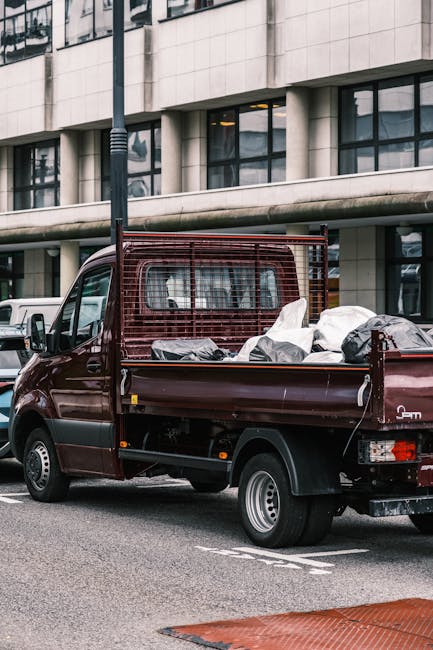
 Tipper Van - Waste Clearance and Rubbish Disposal Prices in Marylebone, W1
 Luton Van - Waste Clearance and Rubbish Disposal Prices in Marylebone, W1

